KORAPUT HIGHLANDS ODISHA, INDIA SPECIALTY GREEN COFFEE
ELEVATION: 900–1,200M ASL
METHODOLOGY & WORKFLOW

Every stage matters. Every lot tells us something.

From farm-level awareness to the evaluation of green coffee, our approach connects people, handling practices, processing decisions, and buyer requirements across the Koraput highlands.

INTERACTIVE WORKFLOW

The Farm-to-Buyer Process Explorer

Select any stage below to inspect the operational protocol, origin photographic record, and commercial relevance to roasters.

STAGE 01 · COMMUNITY ENGAGEMENT

Engage — Tribal Community Relationships

We work directly alongside indigenous tribal smallholders and planter families across the Koraput highlands. Multi-year collaborative relationships establish the foundation for shared trust, cultural respect, and sustainable economic upliftment.

BUYER RELEVANCE Direct origin connection with traceable tribal smallholder communities.
Odisii Coffee team together with Koraput tribal community dancers and drummers
DETAILED PROTOCOLS

The Complete Eight-Stage Sourcing Pipeline

An in-depth explanation of our working standards, designed for professional roasters, importers, and agricultural partners.

STAGE 01

Community Engagement

Sustainable quality begins with respectful, long-term human relationships. Odisii works closely with tribal planters and indigenous communities throughout the Koraput district. We spend time in villages before harvest season commences, discussing market requirements, establishing transparent pricing models, and listening to local agricultural experiences.

Why it matters: Sourcing cannot succeed as a purely transactional exercise. Mutual respect enables the cooperative implementation of demanding quality practices that smallholders might otherwise abandon.
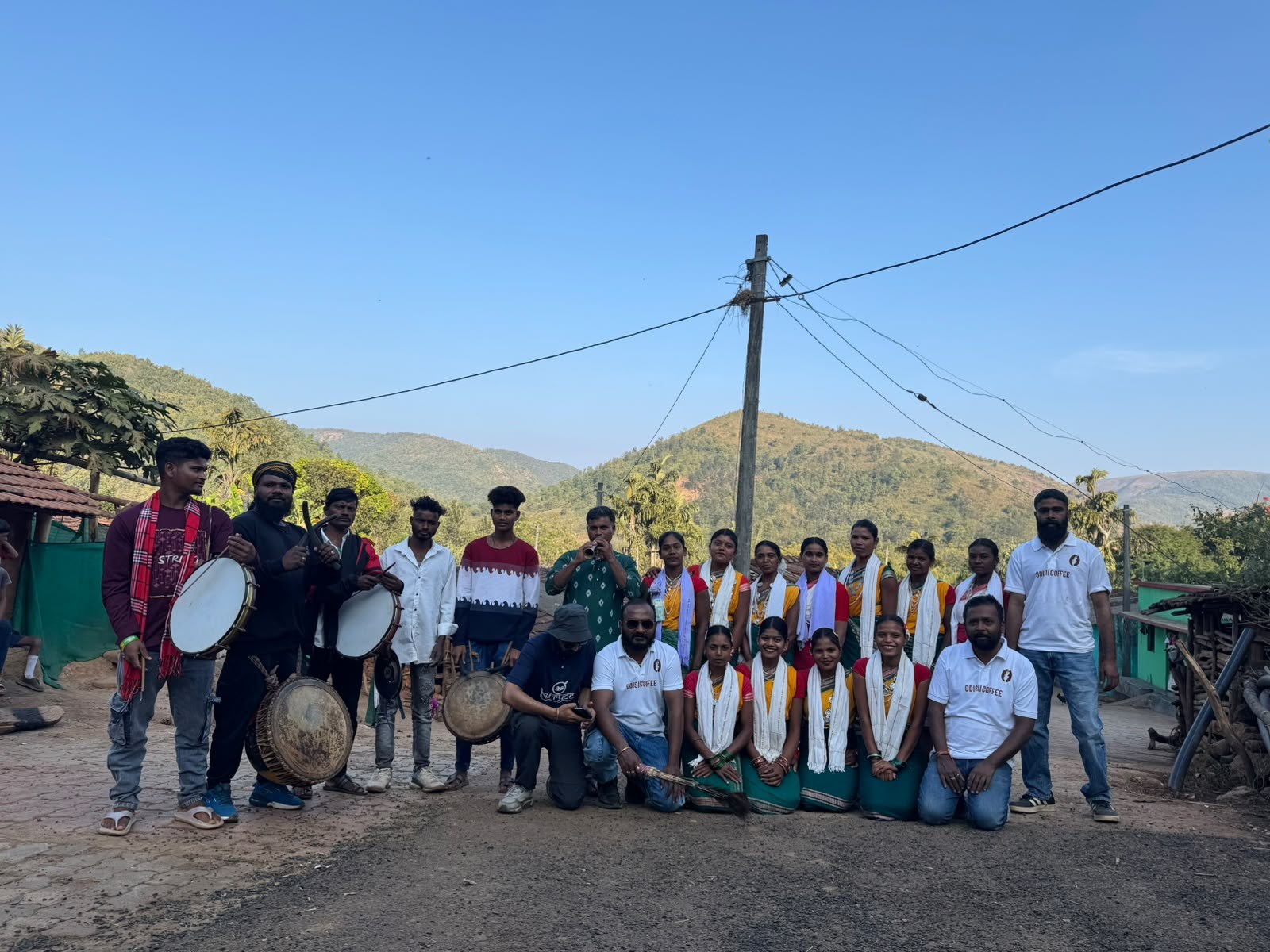
Odisii Coffee team together with indigenous Koraput tribal community dancers and drummers
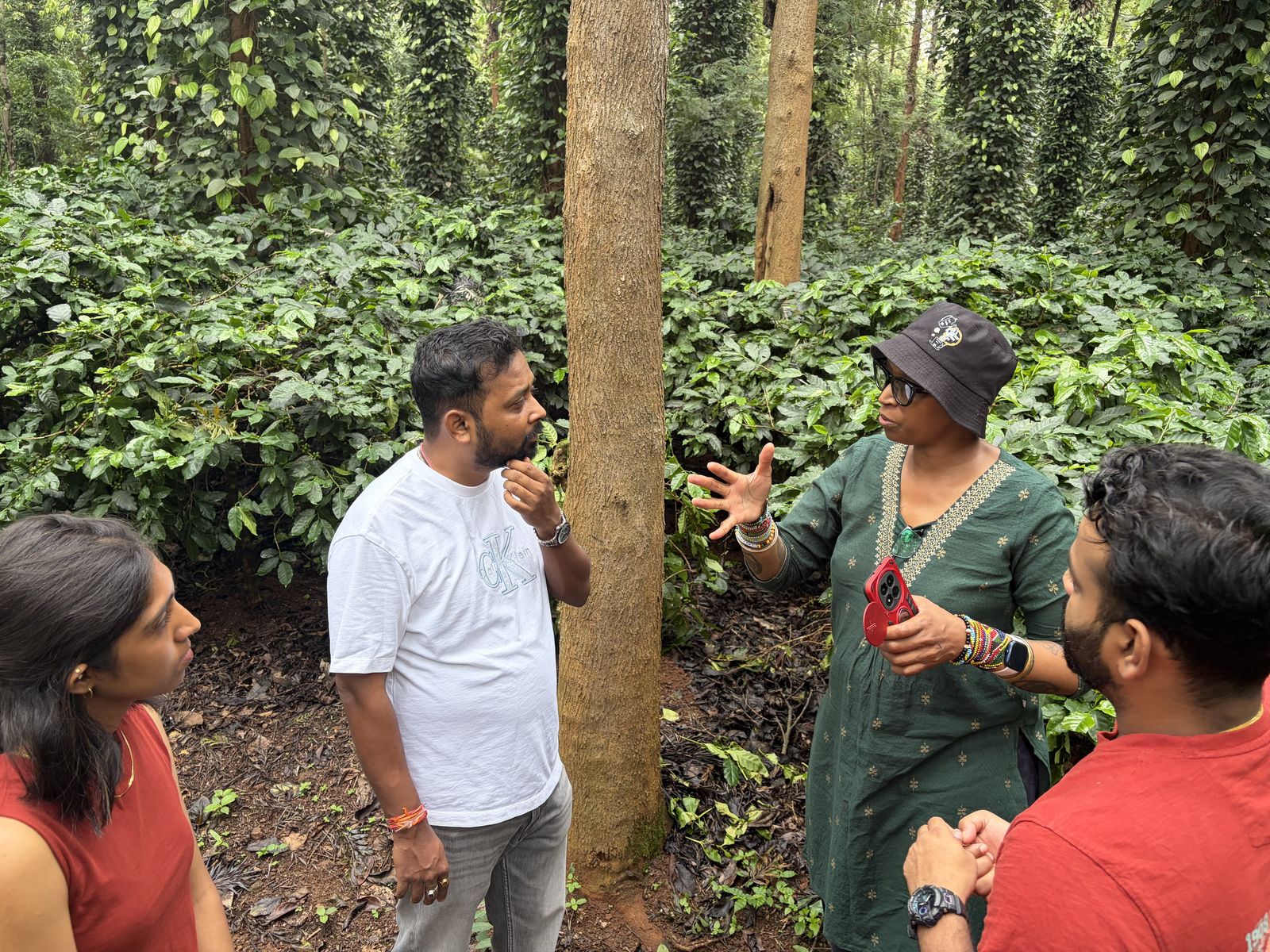
Field session discussing cherry maturity with tribal planters under shade trees
STAGE 02

Training & Knowledge Sharing

We treat training as an ongoing operational dialogue rather than a one-time presentation. Together with planters, we examine cherry development on the tree, identify physical signs of optimal ripeness, and evaluate common field handling issues such as premature bag sweating or soil contamination.

Why it matters: Education empowers farmers to recognize the direct commercial value of careful cherry handling, directly reducing defects before processing even begins.

STAGE 03

Selective Harvesting

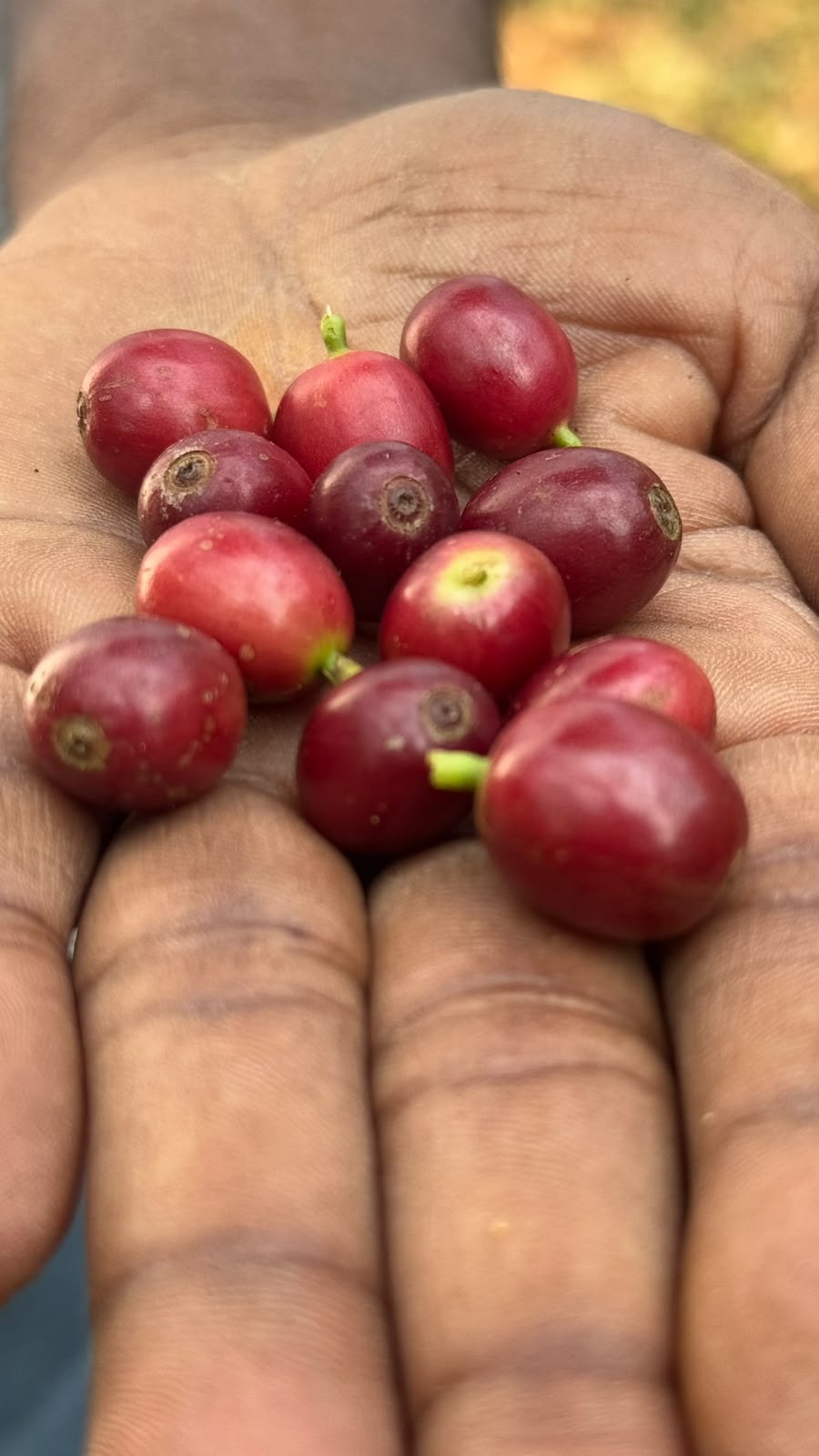
Coffee cherries on a single branch ripen at different rates depending on canopy exposure and branch elevation. We guide planters to perform staged harvesting passes—picking only deep red, fully mature cherries and leaving semi-ripe or green cherries on the branch for subsequent rounds.

Why it matters: Harvesting only ripe fruit ensures maximum natural sugar development and soluble density, forming the chemical foundation for clean sweetness in the roaster.

Farmer's open palm holding hand-selected ripe red cherries picked at optimal Brix sugar maturity
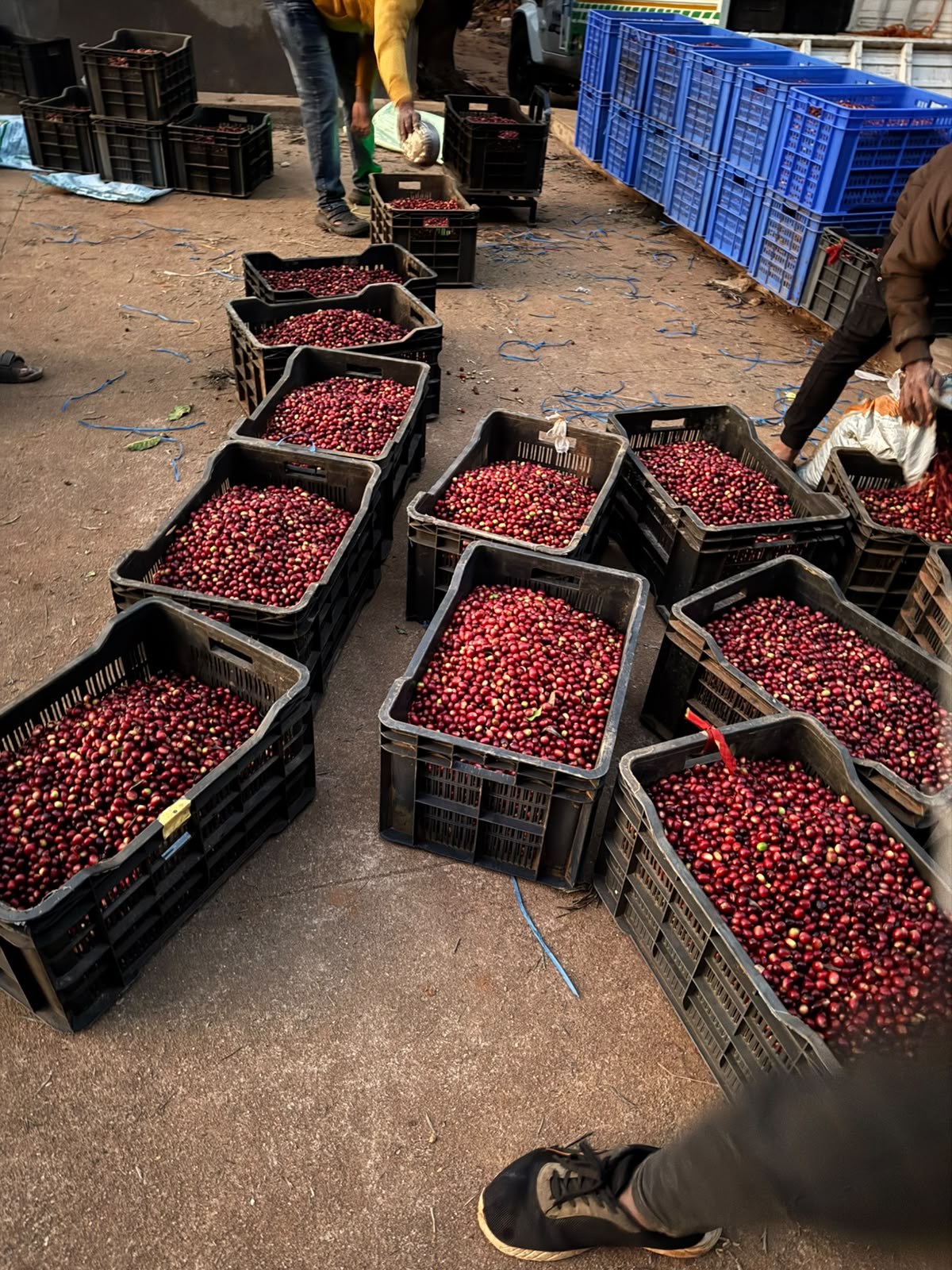
Standardized ventilated blue and black intake crates of ripe red cherries at processing hub
STAGE 04

Aggregation & Lot Handling

Tribal smallholders typically cultivate small family plots producing modest daily cherry yields. To make these harvests commercially accessible, Odisii coordinates centralized aggregation. Each harvest batch is labeled with its producer cluster, harvest date, and initial physical condition.

Why it matters: Disciplined aggregation preserves traceability and prevents high-quality selective harvests from being degraded by lower-grade bulk lots.

STAGE 05

Processing Choices: Natural, Honey Sun-Dried & Washed

Processing is a set of deliberate post-harvest techniques applied to separate the green coffee seed from the surrounding fruit. Rather than claiming any single method produces an automatic flavor profile, we apply defined methods to match ambient climate conditions and cherry density.

Natural (Dry Process)

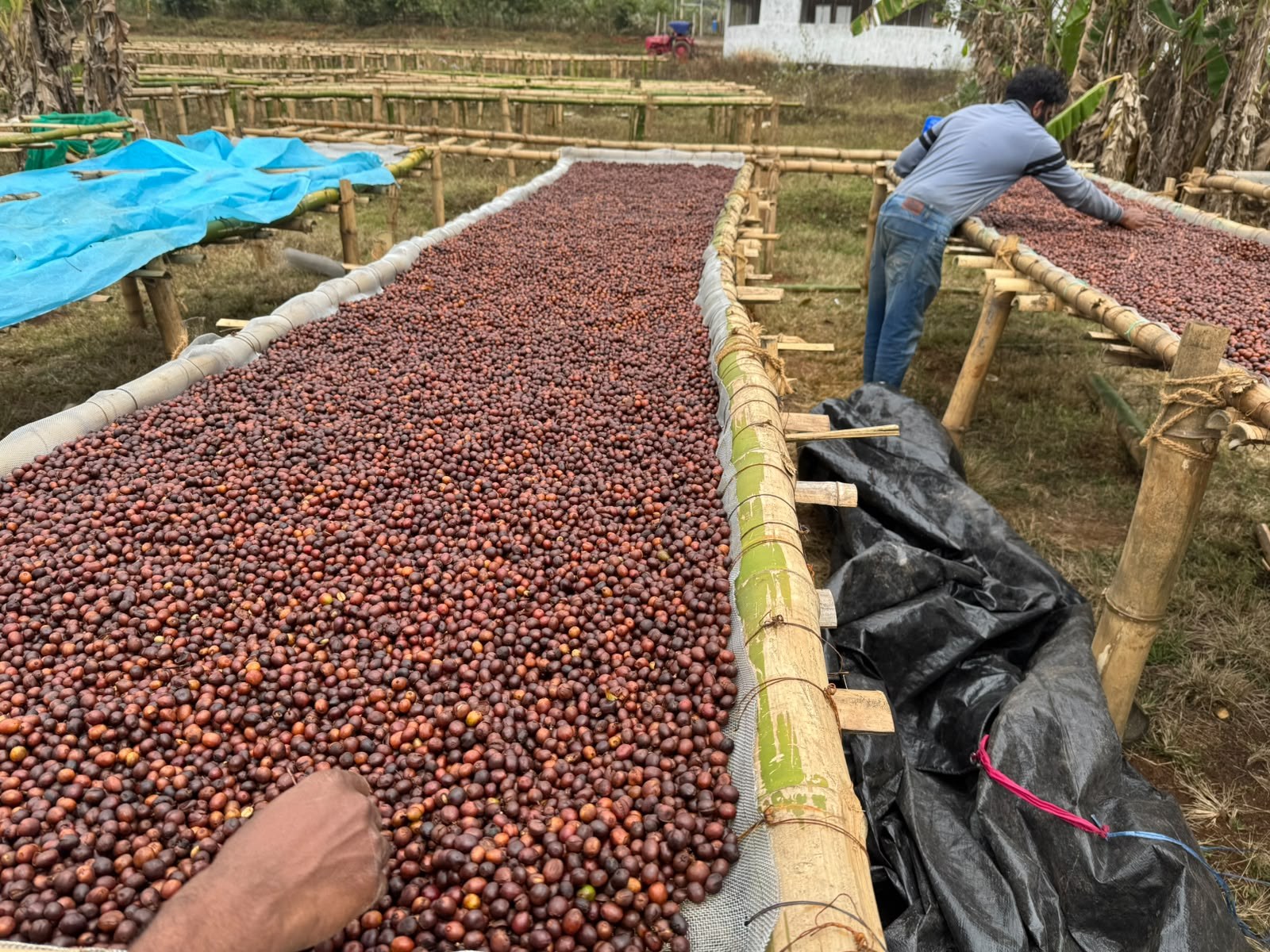
Whole coffee cherries are dried directly in their skin and pulp before hulling. Cherries are turned continuously on raised beds to promote even drying and prevent localized over-fermentation.

Method: Whole fruit slow sun-drying.

Honey Sun-Dried (HSD)

The outer skin of the cherry is mechanically depulped while a defined portion of the sticky fruit mucilage is retained on the parchment seed during the sun-drying process.

Method: Mucilage-retained solar drying.

Washed (Wet Process)

Cherries are pulped, fermented in clean water tanks to break down the mucilage, washed thoroughly, and dried on parchment beds until moisture stabilization is achieved.

Method: Depulped, water-washed & dried.
STAGE 06

Drying & Post-Harvest Handling

Controlled drying is the critical bridge protecting harvest quality. Coffee is laid on raised mesh beds and turned regularly to ensure 360-degree air circulation. During the peak heat of the midday sun, beds are covered with shade cloth to avoid case-hardening or thermal damage to seed embryos.

Why it matters: Steady, gradual moisture reduction stabilizes bean cellular integrity, preventing premature aging, mold development, and woody flavors during storage.

Workers raking whole coffee cherries on African raised bamboo drying beds in Koraput
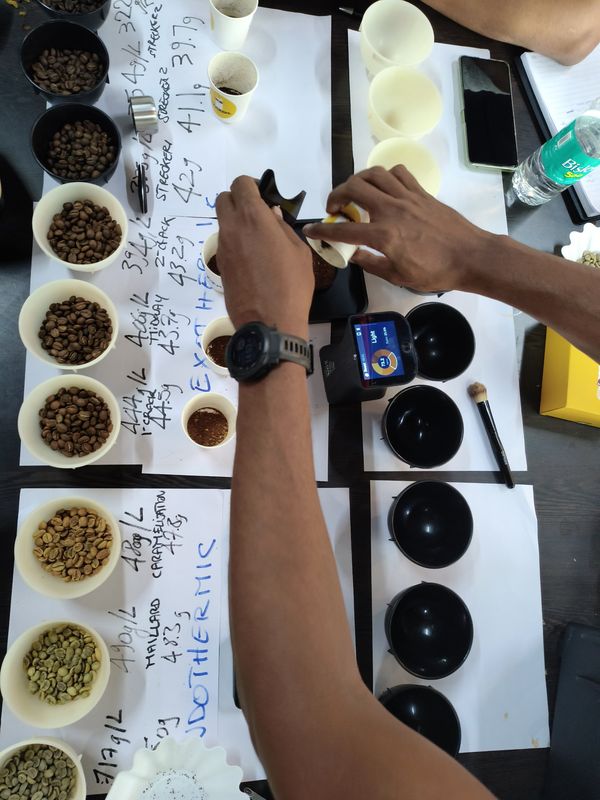
Cupping and quality assessment in laboratory
STAGE 07

Quality Evaluation

Before any lot is prepared for trade, representative samples are taken for physical grading and sensory evaluation. We measure bean density, screen size distribution, and defect counts. Standardized cupping sessions record cup attributes, acidity, sweetness, and cleanliness.

Why it matters: Transparent, documented lot assessments allow buyers to verify whether a coffee matches their specific roast profile, espresso blend, or single-origin offering.

STAGE 08

Buyer Connection

The final stage connects market-ready green coffee with specialty roasters, commercial coffee companies, and distributors across India and abroad. We share transparent origin data, dispatch evaluation green samples where available, and coordinate commercial supply terms.

Why it matters: Direct commercial connection ensures roasters secure consistent Indian origin coffee while supporting tribal communities with stable demand.

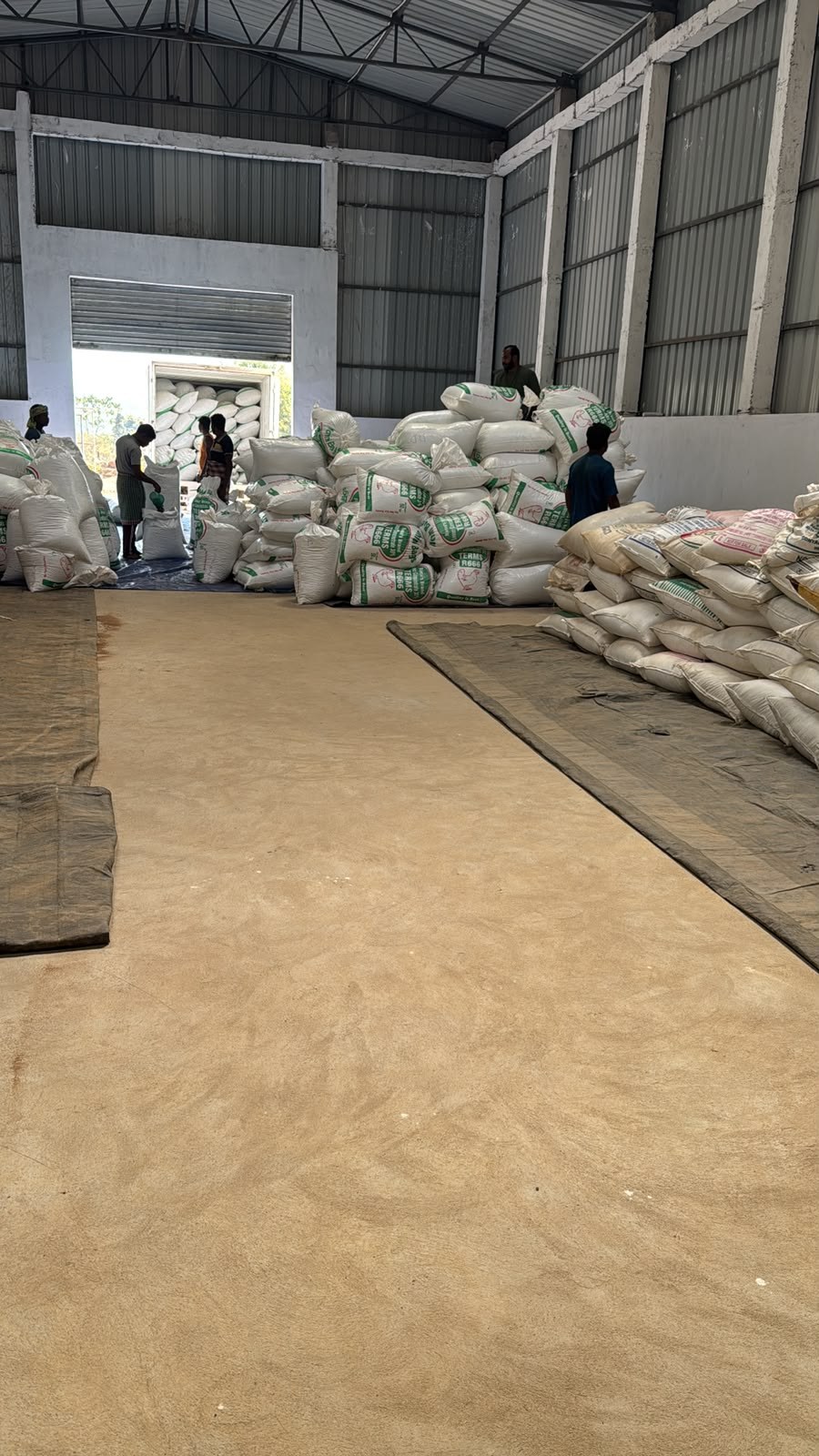
Commercial green coffee dry milling and climate-monitored warehouse storage with stacked GrainPro bags
SOURCE WITH PURPOSE

Have a specific sourcing requirement?

Let us know your preferred variety, volume requirements, and processing method. Our origin team will discuss harvest availability and sample dispatch.

Chat on WhatsApp